B2B Mascots: I Counted Every One That Exists (2026)
There are roughly 30,000 B2B software companies in the world. I went looking for the ones running a real mascot.
For eight years I ran a podcast called Everyone Hates Marketers (or EHM). No-BS marketing, 250-odd episodes and 2M+ downloads in its lifetime. But the brand around it never quite fit me. No-nonsense and quirky? Sure. Aggressive and unapproachable? Non merci. So I refreshed it to match the Stand The F*ck Out ethos I was building toward.
In a workshop with my graphic designer, Martin, I mentioned I liked rugby. I’m from Clermont-Ferrand, a rugby town, and that gave him the idea for a mascot that could carry the humour, the quirkiness, and the Frenchness I was known for. He said, “The French national teams put a chicken on their badges, don’t they?” I said, “Actually, that’s a coq.” And Roger, the smart-talking, French-speaking cock, was born.
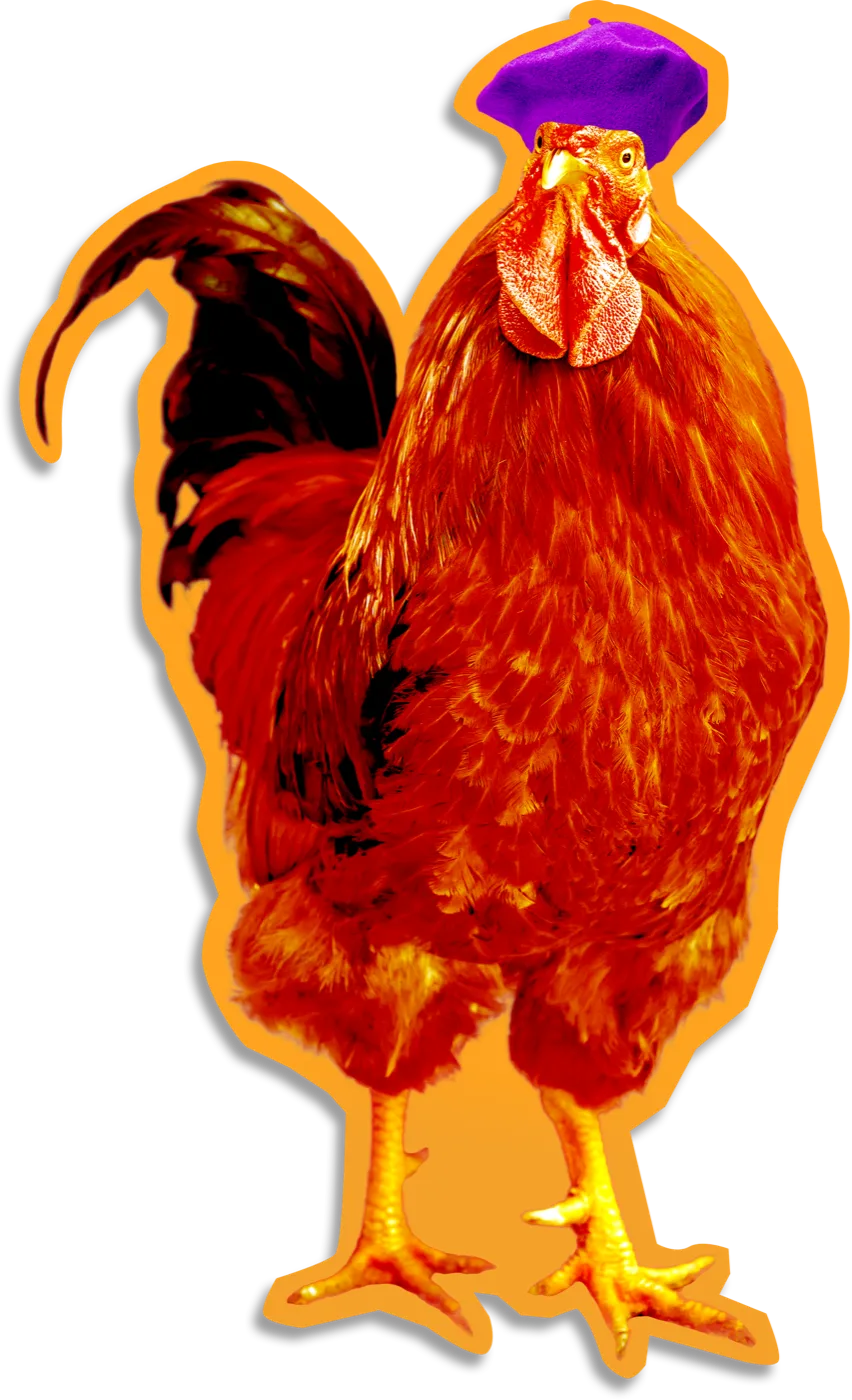
It made me laugh. My daughter was tiny at the time. She pointed and said, “Haha, Roger.” I went for it.
The reaction was instant. Years on, people still message me the moment they spot a chicken in the wild. Small world, small impact, but it’s real. That’s the power of a mascot.
Which is why I wanted the full census of them in B2B tech. Not a sample. Every single one.
There are roughly 30,000 B2B software companies in the world. I went looking for the ones running a real mascot. I found 105.
Not 105 good ones. 105 total. That’s the whole population, after four passes and a hard prune. Fewer than one in every 441 B2B software brands has a character with a face.
Those 105 are the brands you can already picture. Octocat. Freddie the Mailchimp chimp. Duo. The Datadog dog. Now name a single B2B tagline. Or the exact blue on the last SaaS homepage you opened. Nothing. The rarest asset in B2B is also the one that came to you fastest.
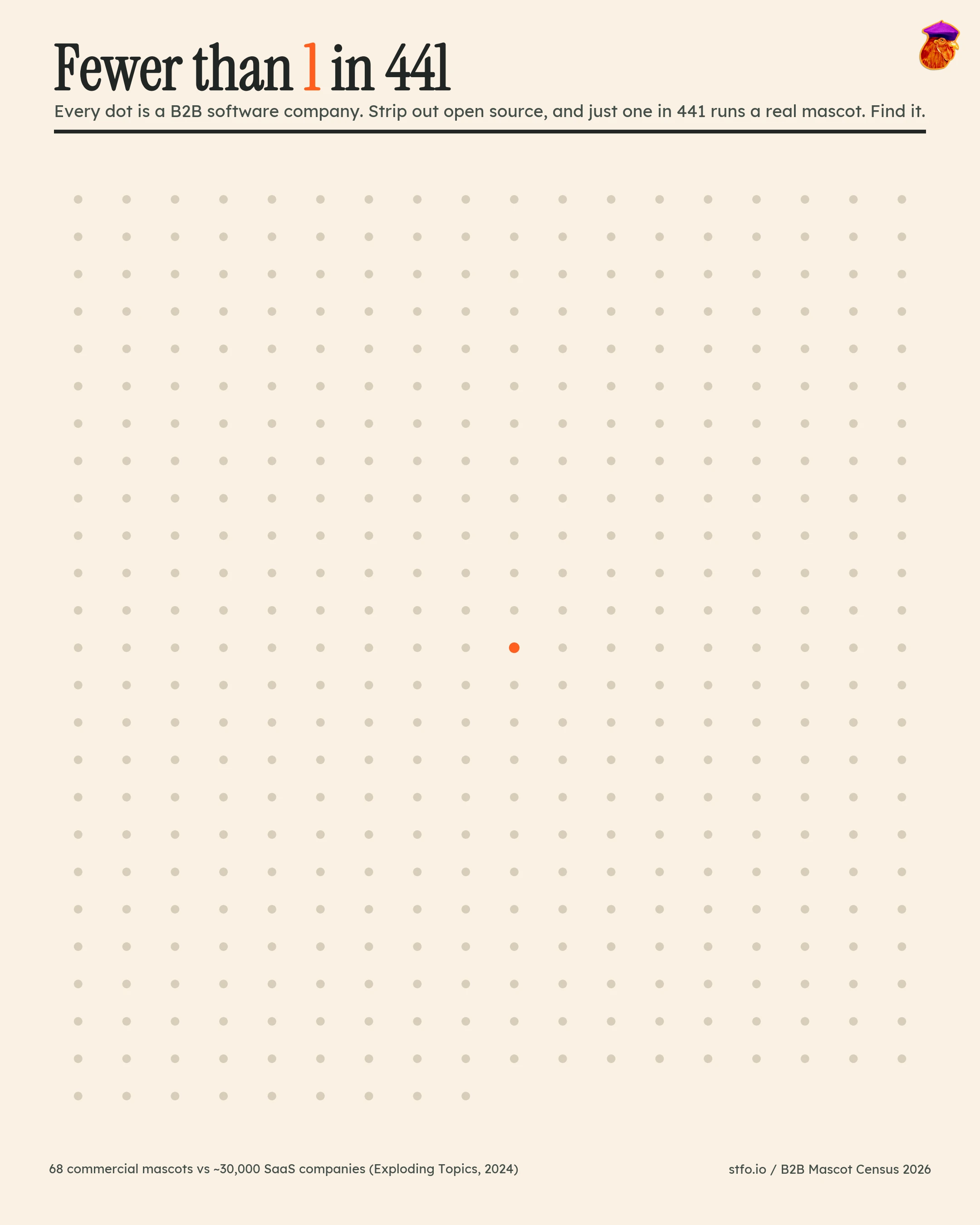
Every dot is a B2B software company. Strip out open source, and just one in 441 runs a real mascot.
Want to browse all 441-to-1 survivors? The full browsable directory has every mascot in the census, searchable and filterable by type, category, and commercial vs open-source.
This is the sequel to the State of B2B Brand Distinctiveness 2026 report. That study scored 100 B2B brands across 8 distinctive assets and found human identity, the character-or-mascot slot, near the bottom: only 14% scored distinctively on it, second only to sound as the least-built asset in the set. Character and sound were the two nobody touched, and the research kept saying they were among the ones that stick hardest. So I did the obvious next thing. I went and counted every mascot that exists.
A mascot is distinctiveness at the extreme
A mascot is, I believe, distinctiveness taken to the edge. One of the boldest things a brand can do to be remembered, and B2C worked that out decades (centuries?) ago.
Compare the Market built two Russian meerkats who have nothing to do with insurance and made itself one of the most memorable brands in a category nobody wants to think about. GEICO has a gecko. McDonald’s has a clown. None of them explain the product. All of them are unforgettable.
But why does it work so well? Because the brain holds onto living things far better than dead ones, an effect memory researchers have replicated for years and call the animacy advantage. And the brain locks onto a face in around 100 milliseconds, faster than it registers almost anything else. A character is the one brand asset built to exploit both. A gradient isn’t alive and hasn’t got a face. A raccoon is both. Jenni Romaniuk’s work at the Ehrenberg-Bass Institute puts a frame around it: a distinctive asset has to be unique to one brand and famous enough that everyone who sees it thinks of that brand, and characters are unusually good at getting there.
The hard effectiveness numbers, the ones that put a percentage on it, are all B2C. System1, reading the IPA’s ad-effectiveness database, found campaigns with a recurring character (what they call a fluent device) more likely to grow share and profit, but those are consumer campaigns from brands with the budget to run a character for a decade.
What the science supports cleanly is narrower and still useful: a character is unusually memory-efficient. It doesn’t mean a mascot wins you more B2B deals. It means the name is easier to pull back at the moment it matters. That’s the whole claim.
What I did
I asked Claude to find every B2B brand with a mascot. That only ever returns the famous ones, so I pushed for deeper research: Product Hunt launches, reverse image search in ten languages, regional startup directories. Then a community pass. I put the question to the Exit Five B2B marketing community and folded in what they surfaced, which is where a whole cluster of mascots came from that no search would have found.
Then I reviewed the list one entry at a time and cut anything that wasn’t a real B2B tech brand’s own recurring character: founders’ faces standing in for a character, design agencies, and the rest.
Only 105 survived. One hundred and five.
Finding 1: Fewer than 1 in 441
I could find 105 mascots across roughly 30,000 SaaS companies (Exploding Topics, 2024). Under half a percent. Strip out the 37 that belong to open-source and the ratio is 1 in 441. Your lifetime odds of dying from accidental poisoning are about 1 in 43 (NSC, 2021), so you’re roughly ten times more likely to die of accidental poisoning than to stumble on a tech company with a mascot.
In a discipline that spends billions a year trying to be remembered, almost nobody reaches for the one asset built to be remembered.
Why hasn’t B2B done this if it works? Two answers.
The efficient-market answer: maybe 441-to-1 avoidance is the market’s collective verdict that mascots don’t suit high-trust, committee-bought purchases. I can’t fully rule that out.
But having worked in this space over a decade, the simpler answer is that a mascot is one of the riskiest things to sign off on. Try bringing the argument to a CFO: “Let’s spend 30k on an Ethiopian antelope for our logo that’ll help us sell to this buyer.” It’s the polished-versus-distinctive problem. Leaders were taught to look polished, not to be distinctive, so they polish, and the window to be distinctive closes fast.
Here’s the honest part, though. You don’t need a mascot to grow a company. Plenty of great ones never had one. But it wouldn’t hurt either. The best companies solve a problem a specific group cares about that alternatives don’t, and they make themselves easy to remember when the need bites. A mascot is one way to do that. There are many others. And with AI slop everywhere now, the thing that cuts through is a distinctive product.
Finding 2: A third of them aren’t even companies
Of the 105, only 68 belong to a business with a go-to-market team. The other 37 are open-source: the Go Gopher, Postgres’ Slonik, Tux, the Rust crab. More than a third of every B2B mascot in existence answers to a community, not a brand strategy.

Tux, the Linux mascot. A community carried him for 30 years without a marketing department. Image: Larry Ewing.
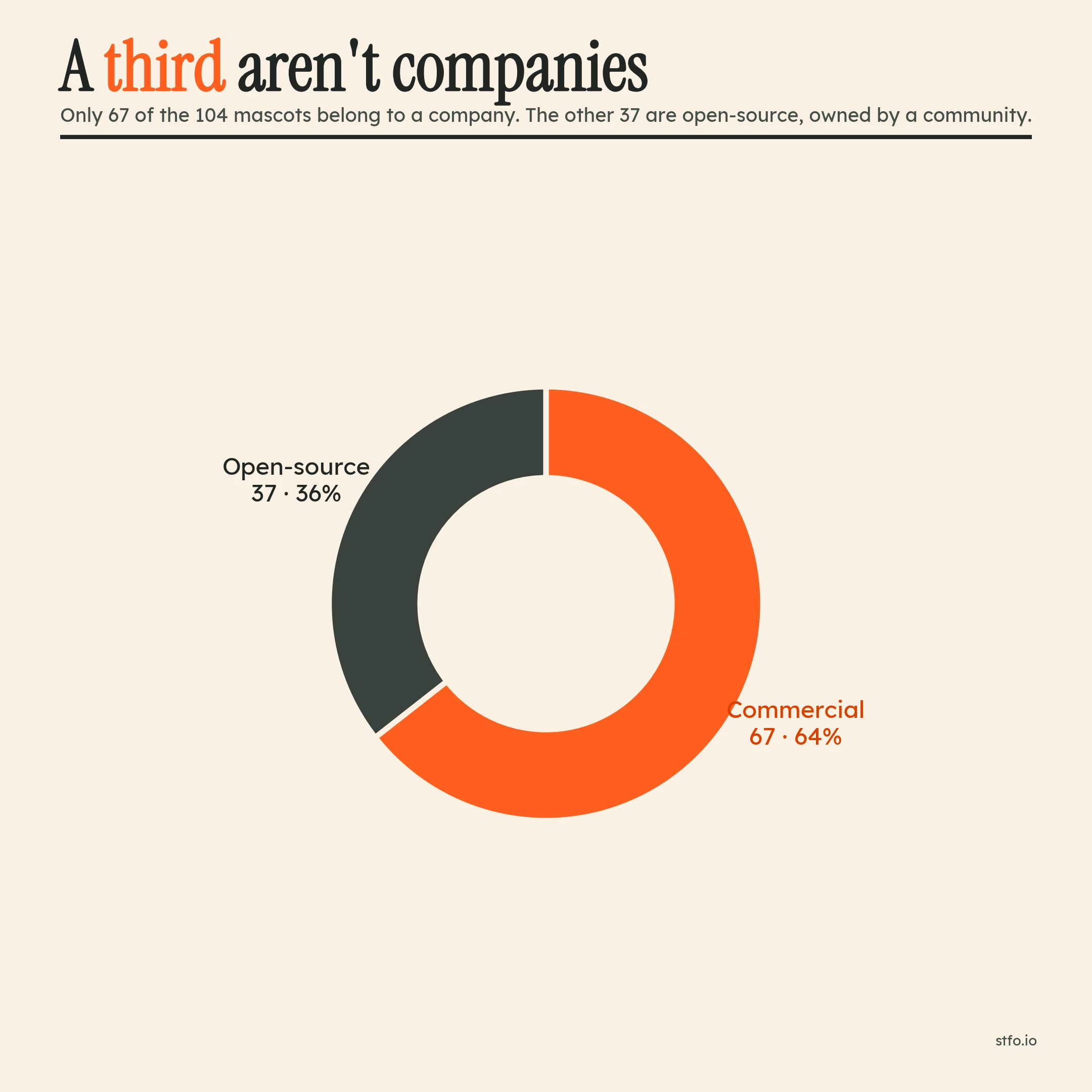
Only 68 of the 105 mascots belong to a company. The other 37 are open-source, owned by a community.
They exist for a reason that has nothing to do with positioning. A programming language has no marketing department and no Chief-of-Anything to put on a billboard in Times Square, so it needs a free, ownerless, forkable identity a community will actually carry. A mascot does that. You can sticker it. You cannot sticker a gradient.
Here’s the twist. The audience most allergic to marketing, with no C-suite chasing a quarterly number, is the one that reaches for a character most. Strip out the pressure to blend the f*ck in and the asset flourishes.
Finding 3: More than half are animals
64 of the 105, 61%, are a literal creature. Owls lead, then ducks, foxes, elephants, raccoons. Everything that isn’t an animal, invented creatures, robots, humans, objects, barely registers.
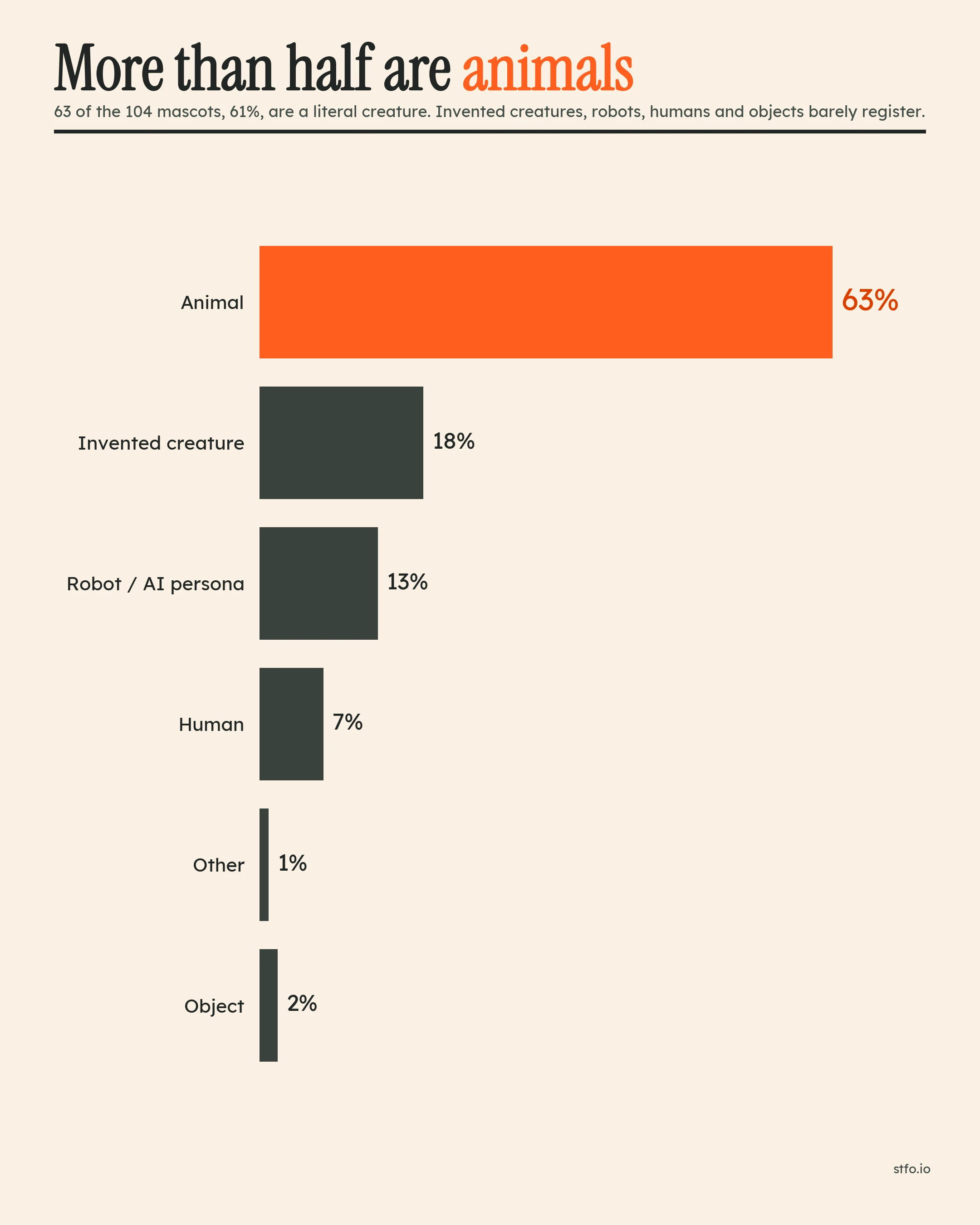
64 of the 105 mascots are a literal creature. Everything else barely registers.
It makes sense, right? An animal is the safest possible choice: instantly legible, carrying soft borrowed meaning (an owl is wise, an elephant remembers, a guard dog protects).
There’s a small risk there, which I mention in my book: you want to build stronger memory structures without competing with all the other crap floating around in people’s heads. An owl drags in every other owl the buyer remembers, so the memory it triggers might be smeared across a dozen brands instead of landing on yours.
Finding 4: It’s a developer world, we’re just living in it
Over half of the 105 live in developer tools and open source. The rest of B2B is thin, and it gets thinner the further you move from the proverbial keyboard.
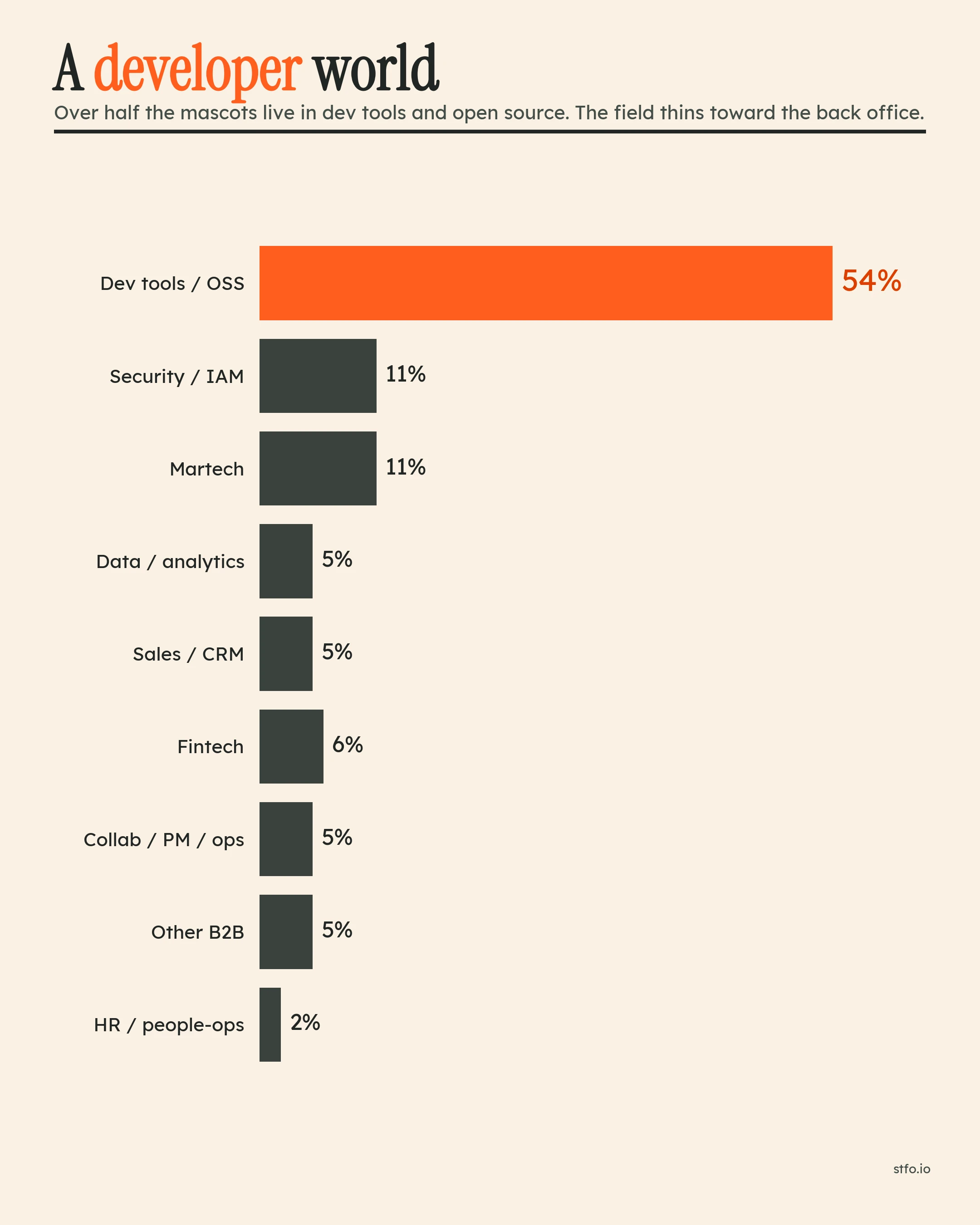
Over half the mascots live in dev tools and open source. The field thins toward the back office.
Security and identity have ten. Martech, also ten. Then it falls off a cliff. Fintech has five. HR has two. The entire back office, procurement, legal, ops, RevOps, is a near-desert.
My guess? Developers are cynical about marketing, they live on the web, they’ve seen every play, so the bar to get noticed by them is higher, and the brands that sell to them are more willing to take a visual risk to clear it.
Now I can hear what you’re thinking. “My buyer is a CFO signing a seven-figure contract. A cartoon would make us look juvenile and cost us the deal.” My take? You don’t lose the meeting because of the cartoon, you just never make the shortlist in the first place. To them, you’re invisible.
Finding 5: Is Clippy making a comeback? The mascot is becoming the interface (again)
When your product is an agent, the mascot becomes the thing the user actually talks to. Intercom’s Fin, Microsoft’s Mico, the named assistant faces showing up across the category. The character and the product are collapsing into the same object.
The instinct isn’t new. Microsoft gave Office a face in 1996 and called it Clippy, an animated paperclip that watched you type and offered help nobody asked for. It was mocked into retirement by 2007 because it promised a helpful companion and delivered a f*cking annoyance. But the impulse behind it, personifying the software so people will talk to it, was the right idea.
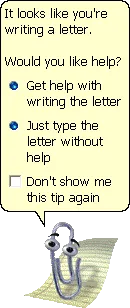
Clippy, 1996. The right idea (a mascot inside the software) two decades too early and executed as an interruption. The agent era is the rematch.
Think about it. For the last century, a brand character was an advertising object: it lived on the sticker, the billboard, the conference booth, and its only job was to make you remember the name. An agent-mascot lives inside the product and has to actually do the thing.
So which mascots actually earn it?
Distinctive assets are meaning-free. A colour, a character, a sound, none of it argues anything on its own. Bibendum, the Michelin Man, does not explain why the tyres grip better in the rain. He just makes you think of Michelin. That’s the entire job. A mascot cannot make you different. It can only make you memorable.
So the test for a mascot is not “does the character explain our positioning.” It can’t. The test is whether there’s a real position sitting behind it, worth retrieving in the first place.
Snyk did the positioning first: protective, approachable application security. Then they gave it a guard dog (Patch). The dog doesn’t argue the case, it just makes the case easy to recall, which only works because the case was already there. Procurify has a sloth in a rocket ship (Dash), and behind it is a real enemy (slow, legacy procurement) and a real promise (making it fast). BrightHR built a villain, the “HR Admin Beast,” a monster made of compliance paperwork, and named the enemy out loud.
Strategy first. Mascot second. Every time.
The crutch is the reverse. It’s a friendly blue animal bolted onto a brand that never took a position, and all it does is make the vagueness easier to recall. You’d become famously generic. If you could swap the animal for a different animal and nothing about the company’s argument would change, it was never an asset. It was a sticker with a salary.
Memorable is what the mascot buys you. Worth remembering is what the positioning buys you. Skip the second and you’ve built a beautifully recalled way of saying nothing.
My six favourites
None of this is rigorous. No rubric, no score. These are the six that made me laugh or made me feel something, which, given the entire point of a mascot is to lodge in a human brain, might be the only test that matters.
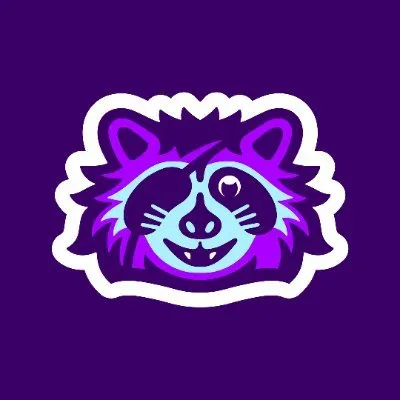
Mutiny’s raccoon, Achoo. Instant. I loved it before I’d thought about it. And the origin is exactly right: as CEO Jaleh Rezaei tells it, no normal B2B company would pick an animal that scavenges through trash, but they were a scrappy, smart, determined team, so the trash panda fit. The animal is the positioning. Then they put Achoo on a billboard in Times Square to celebrate a $50M Series B, which is the correct amount of commitment to a trash panda.
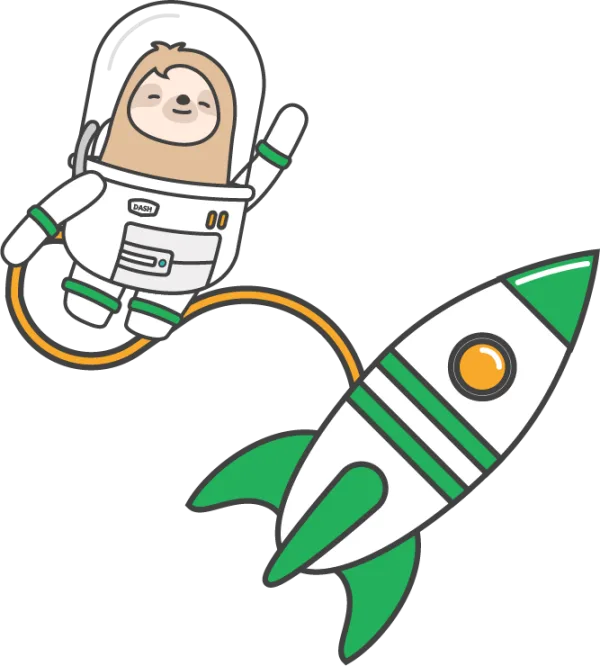
Procurify’s sloth in a rocket ship (Dash). The image already works, slow animal, fast rocket, the whole positioning in one frame. But it’s on this list because the CEO, Aman Mann, put on a furry sloth suit and turned up to investor meetings as the mascot.

Vector’s Ghosty. A little ghost for a product that de-anonymises the ghosts haunting your funnel. It started as a team joke: marketers keep chasing “someone,” and “someone” doesn’t convert, real people do. Then they let it run: a no-email-gate Ghosty generator, a different custom Ghosty for every employee, a LinkedIn commenting habit.
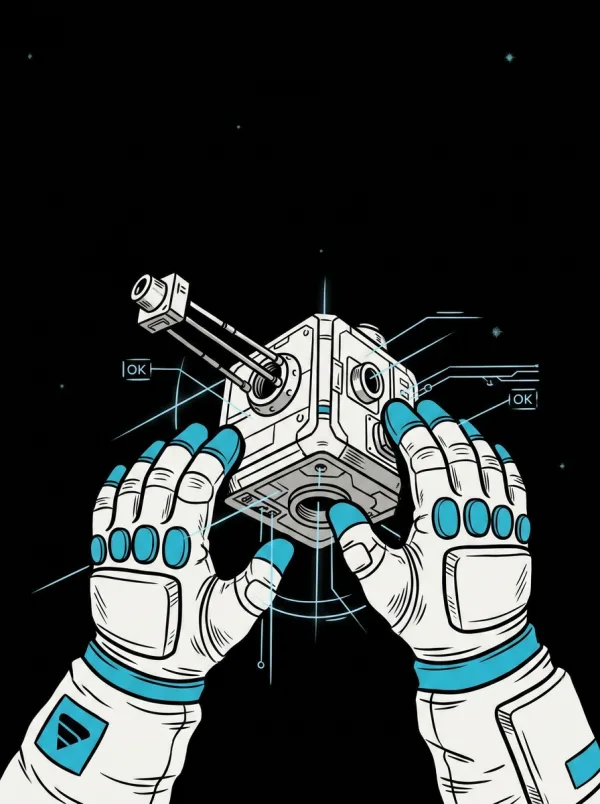
Fathom’s astronaut. No name, no character, no documented reason it’s an astronaut at all, a recurring spaceman motif on a meeting-notes tool under the line “AI notetaking that is out of this world.” I went looking for the backstory and couldn’t find one. I love it anyway.
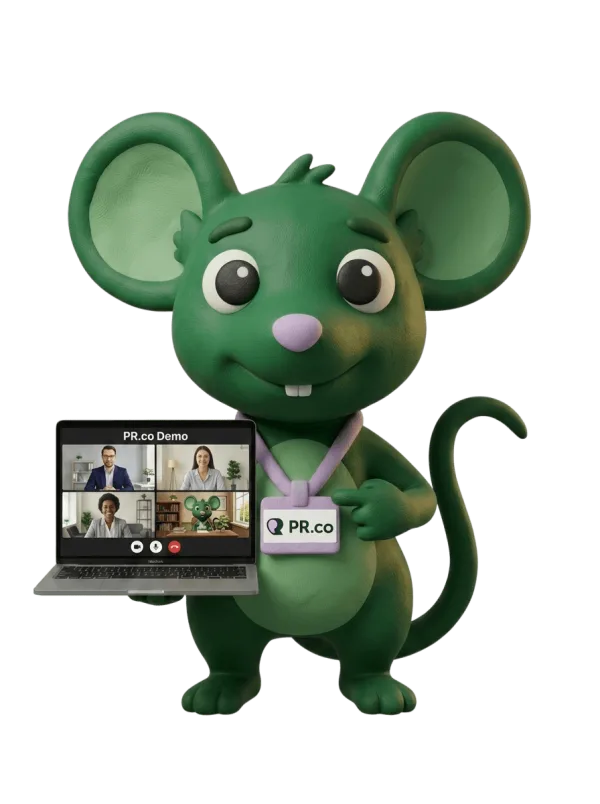
Pierre the Harvest Mouse. Bias alert: this one’s ours. We built Pierre for pr.co, the PR and newsroom platform, during a recent sprint, so I don’t get to pretend I’m objective. But the reasons are the reasons. “Pierre” is a nickname some of their customers were already using, from reading “p.r.” aloud, which in Dutch, French, and German lands on the same sound. We didn’t invent the name; we caught it. Then we picked the animal on purpose. A harvest mouse is one of the smallest rodents in Europe, native to the Netherlands where pr.co is from, and it has a prehensile tail it uses as a fifth limb. A tiny thing that punches above its size and wastes no part of itself, which is exactly the “too efficiently small” spice we’d landed on for the brand. Green fur, pink nose, a press badge, and a bit of a confident streak, all doubling down on assets pr.co already owned. The positioning came first. Pierre is what it looks like with a face on it. Just look at it. So cuuuuute.
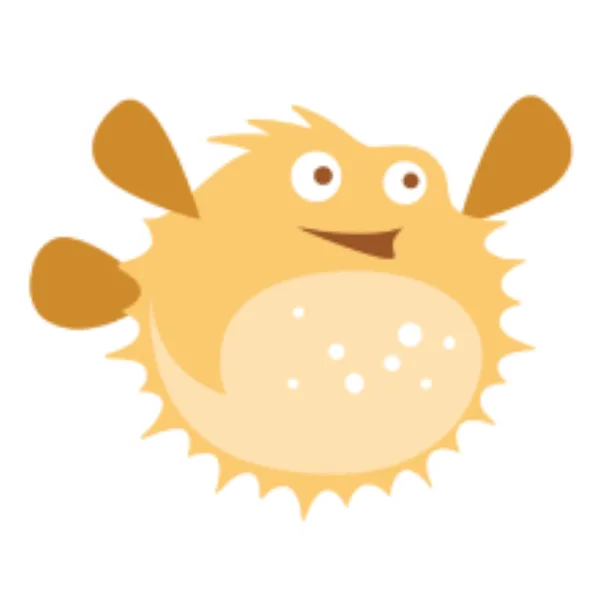
Bitly’s Chauncey McPufferson. Partly the name, obviously. But the pufferfish is smarter than it looks: it’s the one animal that can shrink and expand, which is what Bitly does. A link-shortener found the single correct animal and then called it Chauncey McPufferson. I refuse to let that go unrecognised.
Should you develop a mascot?
Honnêtement? Probably not.
I mean, you could commission a character, ship a plush to your freshest ABM list, put a face on the homepage, and call it distinctiveness. Non merci. A mascot on top of a vague position just makes the vagueness… sticky.
So, please, get the fundamentals in place first. Do you give your ICP a compelling reason to pick you over any other alternatives? Is your product positioned in a category that’s in-demand? Can you pinpoint the exact moments people turn into hot prospects?
And then, and only then, give them a face. If you do it in that order, the mascot carries the full stand-the-f*ck-out strategy on its back, the way Bibendum has carried Michelin for a hundred and twenty-five years.
So even if you never draw a character, answer one question honestly. Name a single thing about your brand a buyer could summon from memory right now. If nothing comes, that’s the finding, and 99.6% of B2B is sitting exactly where you are.
This is exactly the work I do inside a GTM Sprint. We lock the positioning first, find the asset your category has left wide open, and build a way to actually ship it. If this made you uncomfortable about your own brand, that’s the right reaction. Let’s talk.
Methodology
This is a census, not a scored audit. The goal was the whole population of B2B tech mascots, not a ranked sample, so there is no 0-to-3 rubric here.
Discovery ran in four passes. An AI-assisted search (Product Hunt launches, reverse image search across ten languages, regional startup directories), then a community pass through the Exit Five B2B marketing community, then de-duplication, then a hard manual prune.
Inclusion rule. A brand only counts if it runs its own recurring character with a face. Cut on review, founders' faces standing in for a character, design-agency mascots, one-off campaign characters, and anything that wasn't a real B2B tech brand.
105 entries survived the prune. Each is tagged by character type and category in a source directory, and every count on this page is computed from it. A census this manual will miss some, especially non-English and very early-stage brands, so treat 105 as a firm floor, not a perfect ceiling.
Company-population baseline (~30,000 B2B SaaS companies) is from Exploding Topics, 2024.
Sources
- Stand The F*ck Out, Louis Grenier
- Jenni Romaniuk, Building Distinctive Brand Assets (Oxford University Press)
- How many SaaS companies are there? (Exploding Topics, 2024)
- Adaptive Memory: The Mnemonic Value of Animacy (Nairne et al., Psychological Science, 2013)
- Fast saccades toward faces, face detection in just 100ms (Crouzet, Kirchner & Thorpe, Journal of Vision, 2010)
- Memorable characters (fluent devices) in ads boost profit and share (System1, reading the IPA Databank)
- Odds of Dying: accidental poisoning by noxious substances (National Safety Council, 2021)
Know someone who'd squirm reading this?
Send it to the one person on your team who keeps calling the brand "clean." They'll thank you. Eventually.
And if someone sent you this, get the next report straight to your inbox. Original research on why B2B brands all look the same, roughly once a month.
One more click and you're in.
I've just emailed you a confirmation link. Click it or you're not on the list (that's the point, it proves you're a human who wants this). Check spam or Promotions if it's hiding.
Key terms
Distinctive Brand Assets
Distinctive brand assets are the meaning-free bits and bobs that make your brand uniquely yours. A colour, shape, sound, mascot, or phrase. The goal is to tickle different parts of the brain without competing with all the other crap floating around in people's heads. Meaningful logos are overrated.
Mental Availability
Mental availability is the probability that a buyer will think of your brand in a buying situation. It is the combined result of distinctive brand assets (Stage 3) and continuous reach (Stage 4). Most B2B companies ignore it because they're too busy chasing the 5% of buyers who are actively looking.
Differentiation
Differentiation in B2B is the practice of solving specific problems that alternatives leave unsolved for a specific group of people. Being different for the sake of it is a fool's errand. The difference must address an ignored struggle that your segment actually cares about.